
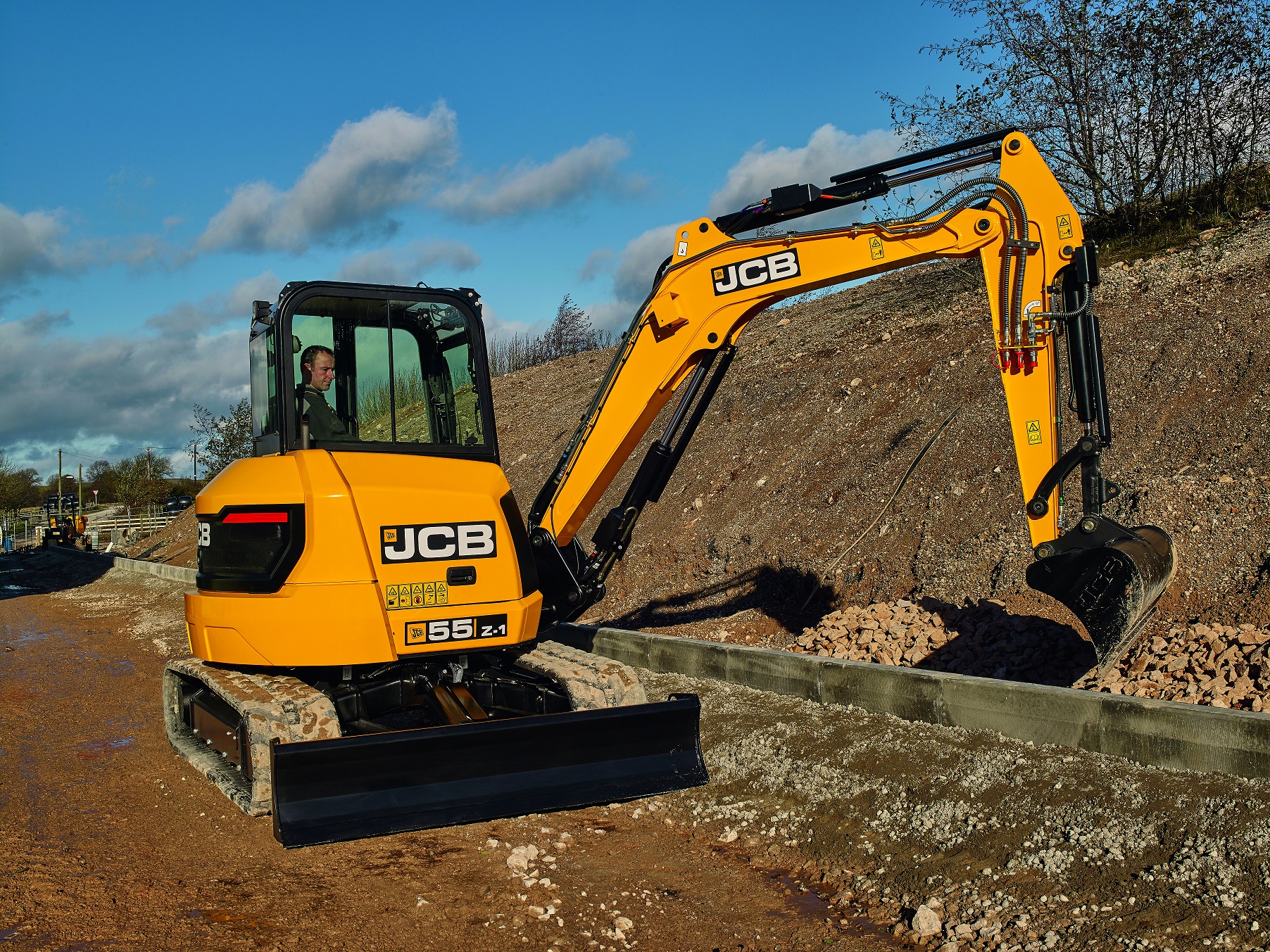
Replacing rubber tracks may look intimidating, but with the right tools and a safe process, many operators can complete the job themselves.
Whether you’re fitting CTL rubber tracks or mini excavator tracks, proper installation is critical. Incorrect fitting can lead to premature wear, de-tracking, and undercarriage damage.
Here’s a step-by-step guide to help you do it safely and correctly.
Before You Start
Make sure you have:
- The correct replacement track size (Width × Pitch × Links)
- A grease gun
- Basic hand tools
- A pry bar
- Jack or lifting support (if required)
- Proper PPE (gloves, eye protection)
Always consult your machine manufacturer’s manual before starting.
Step 1: Release Track Tension
Rubber tracks are tensioned using a grease-filled adjuster system.
- Locate the grease fitting on the track adjuster.
- Slowly release grease to reduce tension.
- The front idler wheel should retract inward.
⚠️ Be cautious — grease systems are under pressure. Release slowly and stand clear.
Reducing tension is essential before attempting to remove the track.
Step 2: Remove the Old Track
Once tension is released:
- Lift the machine slightly if required (depending on model).
- Slip the track off the sprocket first.
- Work it off the rollers and idler using a pry bar if necessary.
- Carefully remove the track from the undercarriage.
Inspect the undercarriage components while the track is off.
Step 3: Inspect the Undercarriage
Before installing the new track, check:
- Sprocket teeth (should not be sharp or hooked)
- Rollers (should spin freely)
- Idlers (no excessive wear or misalignment)
- Debris buildup
Installing new tracks on worn sprockets can significantly shorten track life.
Step 4: Install the New Rubber Track
- Position the new track over the sprocket first.
- Align it over the rollers.
- Use a pry bar to guide it onto the front idler.
- Ensure the track sits properly on all rollers and sprockets.
Take your time to ensure correct alignment.
Step 5: Re-Tension the Track
Once installed:
- Pump grease back into the tensioner.
- Adjust until proper tension is achieved (refer to your manual).
- Check sag measurement as specified by the manufacturer.
Do not over-tighten. Excessive tension can damage internal steel cords and accelerate wear.
Step 6: Run and Recheck
After installation:
- Operate the machine slowly for a few minutes.
- Check alignment.
- Recheck tension.
- Make adjustments if needed.
It’s good practice to recheck tension again after the first few hours of operation.
Common Installation Mistakes to Avoid
- Installing the wrong size track
- Over-tightening after installation
- Failing to inspect worn sprockets
- Forcing the track without fully releasing tension
- Ignoring alignment issues
Proper installation protects both your new tracks and your undercarriage.
Fitting rubber tracks isn’t complicated — but attention to detail matters.
Correct sizing, proper tension, and undercarriage inspection are key to maximizing track life and avoiding premature failure.
Taking the time to install them properly protects your investment and keeps your machine productive.
Need Help Choosing the Right Rubber Tracks?
At Rubber Track Canada, we supply high-quality CTL and excavator rubber tracks built for demanding Canadian conditions.
If you’re unsure about sizing, fitment, or installation, our team is here to help.